Skip to content
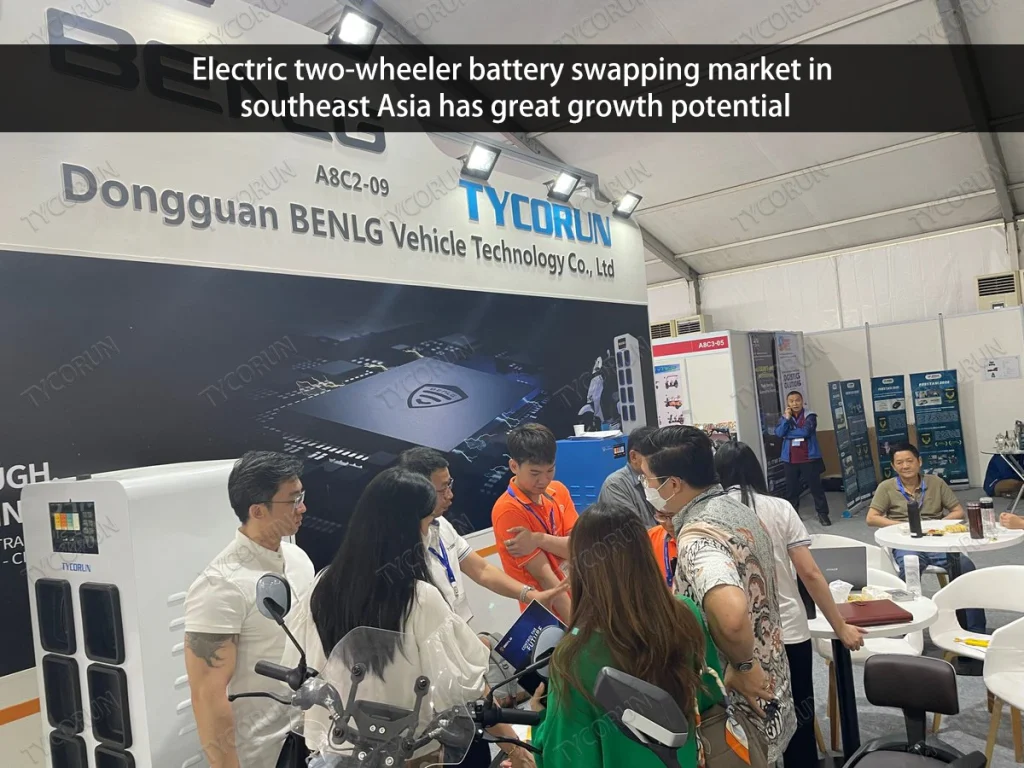

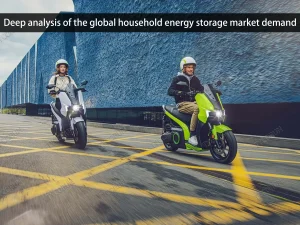
Southeast Asia includes countries such as Thailand, Indonesia, Malaysia, the Philippines, and Vietnam, with a population of over 600 million, most of whom are concentrated in urban centers. Due to the dense population, short urban traffic routes, underdeveloped public transportation facilities, and low per capita income, two-wheelers (including motorcycles and electric bicycles) have become important means of transportation in this region. The ownership rate is already high.
According to Euromonitor, in 2022, the household penetration rate of motorcycles in Southeast Asia reached 75%, far exceeding the world average of 29%. The overall two-wheeler market growth has entered a stock mode
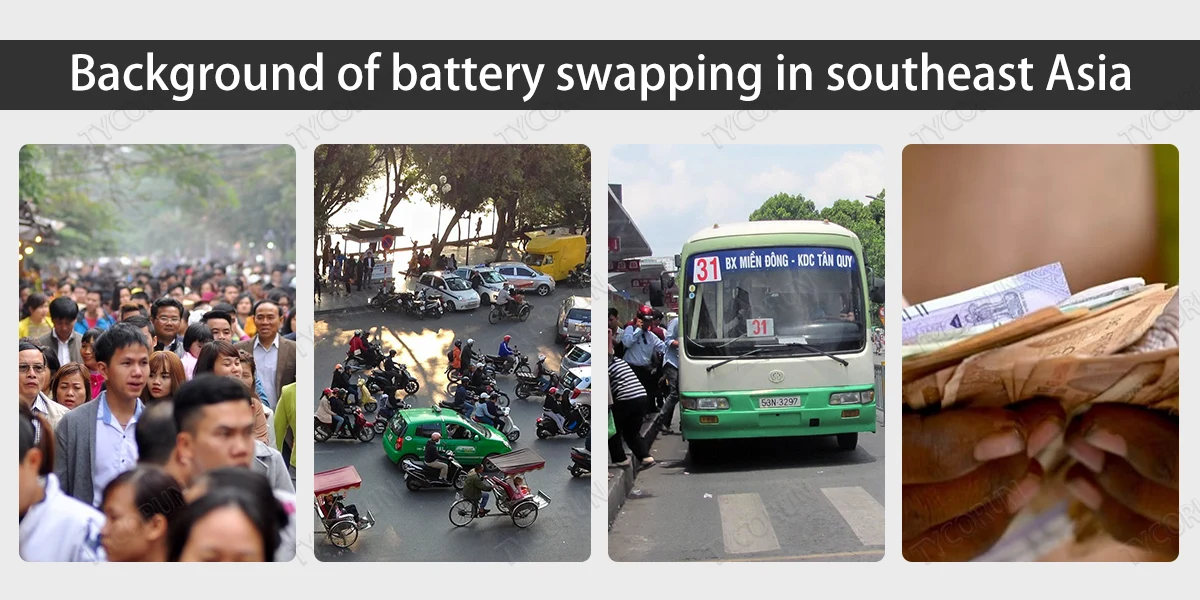
Southeast Asia is a major global motorcycle market, with Indonesia, Vietnam, and Thailand ranking among the top three. According to ASEANstats, as of 2023, the per capita motorcycle ownership in Southeast Asia is 250 million units, with a per capita ownership rate of about 0.4 units.
According to Motorcycledata, in Q1 2024, motorcycle sales in Southeast Asia accounted for about 24% of the global market, second only to India. In terms of sales, Indonesia, Vietnam, and Thailand are the top three markets in Southeast Asia, with sales shares of 49%, 20%, and 15%, respectively.
(1) The market is in the early stages of penetration, with vast industry development potential
The electric two-wheeler market in Southeast Asia is characterized by low penetration rates and high growth potential for its conveninet motorcycle battery charging. The industry is in the early stages of electrification, with vast potential for growth.
1) Low penetration rate: Currently, motorcycles in Southeast Asia are mainly powered by fuel. In 2023, the penetration rate of electric motorcycles was only 3%, leaving significant room for improvement.
2) High growth potential: The large stock of fuel motorcycles in Southeast Asia means that future growth will come from the replacement of fuel motorcycles with electric ones. With the catalysis of “oil to electric” policies, the demand for electric motorcycles has vast growth potential.
(2) “Oil to electric” policies in various countries drive the development of the electric two-wheeler market
“Oil to electric” policies alleviate the crude oil anxiety and fiscal pressure of Southeast Asian countries.
1)Most Southeast Asian countries rely on imports for crude oil resources. In recent years, nearly 85% of Thailand’s domestic oil consumption has come from imports. Indonesia and the Philippines also have import dependency rates of 20-40%, making them vulnerable to energy price fluctuations and supply restrictions.
2) From 2019 to 2023, Malaysia’s diesel subsidy expenditure increased from 1.4 billion ringgit to 14.3 billion ringgit, a tenfold increase. In 2023, Indonesia raised fuel subsidies to 502 trillion Indonesian rupiah (approximately 230.3 billion RMB), twice the original budget, accounting for 16% of total fiscal expenditure.
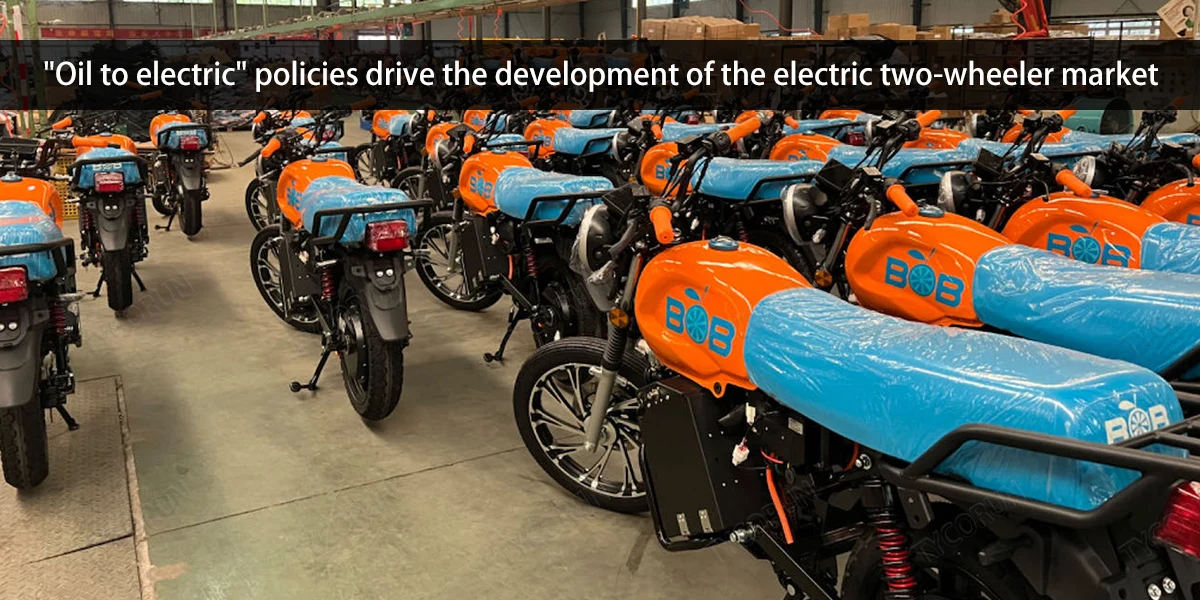
Governments are continuously introducing incentive policies to promote electric motorcycles. With the national trend of promoting electrification transformation, Southeast Asian governments have successively introduced mandatory policies such as “motorcycle bans” or subsidy-based oil-to-electric policies to popularize electric motorcycles, and the motorcycle market in Southeast Asia is expected to undergo a transformation.
Electric products are more economical and better suited to the Southeast Asian market. With the improvement of battery and motor technology, electric motorcycles can now match small-displacement fuel motorcycles in terms of range, top speed, and power.
Additionally, the maintenance and usage costs of electric motorcycles are lower than those of fuel motorcycles. Combined with government purchase subsidies, the economic advantage of electric products is significantly stronger, making them highly attractive to Southeast Asian consumers.
(1) There are many competitors in the Southeast Asian market, with Chinese brands actively entering.
Major motorcycle companies in Southeast Asia are concentrated in the highest-selling markets of Indonesia, Vietnam, and Thailand. Local electric motorcycle brands in Indonesia have been continuously diversifying and developing in recent years. Vietnamese consumers show higher enthusiasm for electric bicycles, electric motorcycles, or electric scooters.
Japanese motorcycle brands, which have a monopoly in the fuel motorcycle market, have been planning to launch more electric models with best battery. Local Vietnamese brands are also making layouts in products, channels, and infrastructure construction. Thailand is the factory location for many foreign motorcycle companies, but local motorcycle brands are relatively few.
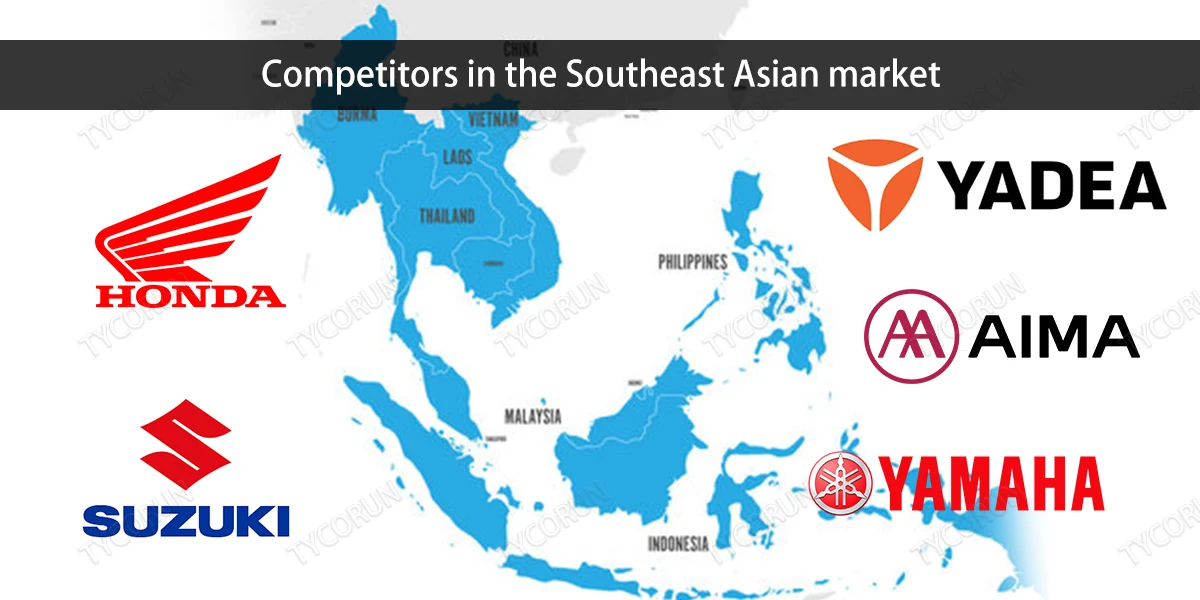
Japanese brands: Traditional strong brands such as Honda, Yamaha, and Suzuki have first-mover advantages in the fuel motorcycle market and are enriching their electric product lines, making them the main direction for future product iterations.
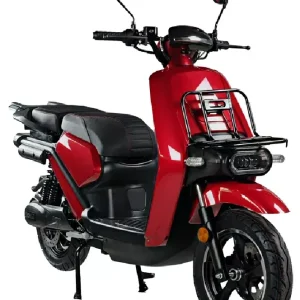
Chinese brands: Leading Chinese brands such as Yadea and Aima are actively entering the Southeast Asian electric two-wheeler market through multi-dimensional strategies such as electric motorcycle with fast charging battery, channel, and factory exports, and are more proactive in electric product planning and launches.
Local brands: In Vietnam, where electric two-wheeler penetration is highest, well-known local brands such as Vinfast and Pega have emerged, with Vinfast planning a capacity of 750,000 units. Indonesia, the largest market in Southeast Asia, has also seen brands like SMOOT and MAKA.
(2) The Southeast Asian market has high-quality requirements, and sodium-ion batteries are expected to become a breakthrough point
Southeast Asian consumers prefer small displacement. In 2019, about 88% of Honda motorcycles sold in Asia were 100-125cc. The best-selling motorcycles in each country are also mainly small-displacement, as motorcycles under 125cc balance cost performance while better adapting to the local rugged terrain and crowded roads.
Practicality comes first, and consumers focus on product quality. Considering the suggested retail price and local per capita income, the pricing of fuel motorcycles in Southeast Asia is not low. This is because motorcycles are not only used for daily commuting and cargo transportation but are also often used as family commuting vehicles for nearby travel, playing an important role similar to that of cars in Chinese families. Consumers do not simply pursue low prices but consider quality and price ratios.
The replacement of fuel motorcycles with electric motorcycles requires comparable performance and economic feasibility. Southeast Asia is not a completely low-price competition market. For the replacement of high-value household production tools, new products must first localize to meet necessary functional needs and then adapt economically to the local market’s purchasing power. The replacement of fuel motorcycles by electric motorcycles needs to meet similar performance parameters, especially range, and moderate prices.
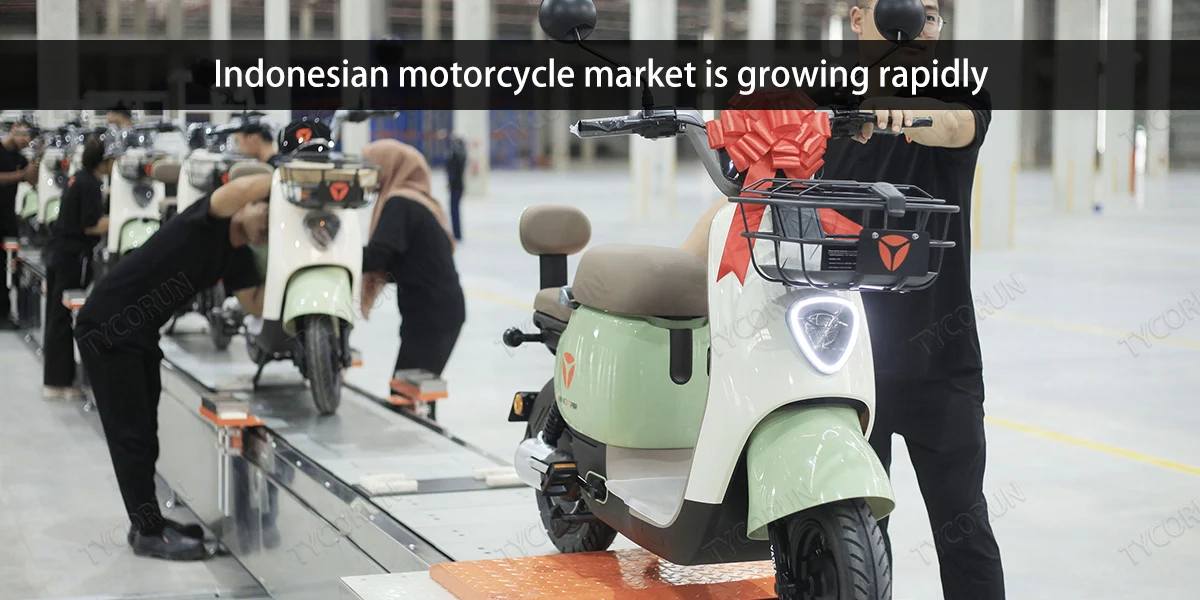
Sodium-ion applications are expected to improve electric motorcycle performance and become a breakthrough point for electric motorcycle brands. In emerging markets such as Southeast Asia and South Asia, the working conditions for two-wheelers are more severe, with long daily commuting distances and common scenarios of carrying multiple people and cargo, requiring higher endurance and torque for two-wheelers.
This also demands “larger and lighter” batteries. Currently, electric motorcycle products slightly lag behind mainstream 110-125cc fuel motorcycles in terms of performance. Energy storage sodium battery technology allows for high energy density, more stable physical properties, and cost advantages.
From the 1990s to the early 21st century, Chinese fuel motorcycle companies occupied 80% of the Southeast Asian market through aggressive price wars. However, extreme price wars led to manufacturers cutting corners, causing a backlash in consumer reputation, and Vietnamese consumers turned to slightly more expensive but higher-quality Japanese brands.
By 2016, Chinese motorcycles had less than 5% market share in Vietnam. Lessons learned include:
1) Providing high-quality and reasonably priced products is the foundation for Japanese motorcycle companies to turn the tide;
2)Extending the industrial chain, shipping whole vehicles or building local assembly plants to prevent cutting corners, cooperating with local government industry support policies;
3)Downstream focusing on channel and brand construction to prevent local channels from controlling profits and strengthening after-sales guarantees;
4)Providing installment policies that adapt to local conditions considering the high unit price of fuel motorcycles.